I finally stopped messing around and I can make Valentine Sugar Cookies look like bakery-level art with one stupidly simple trick you’ll kick yourself for not knowing.
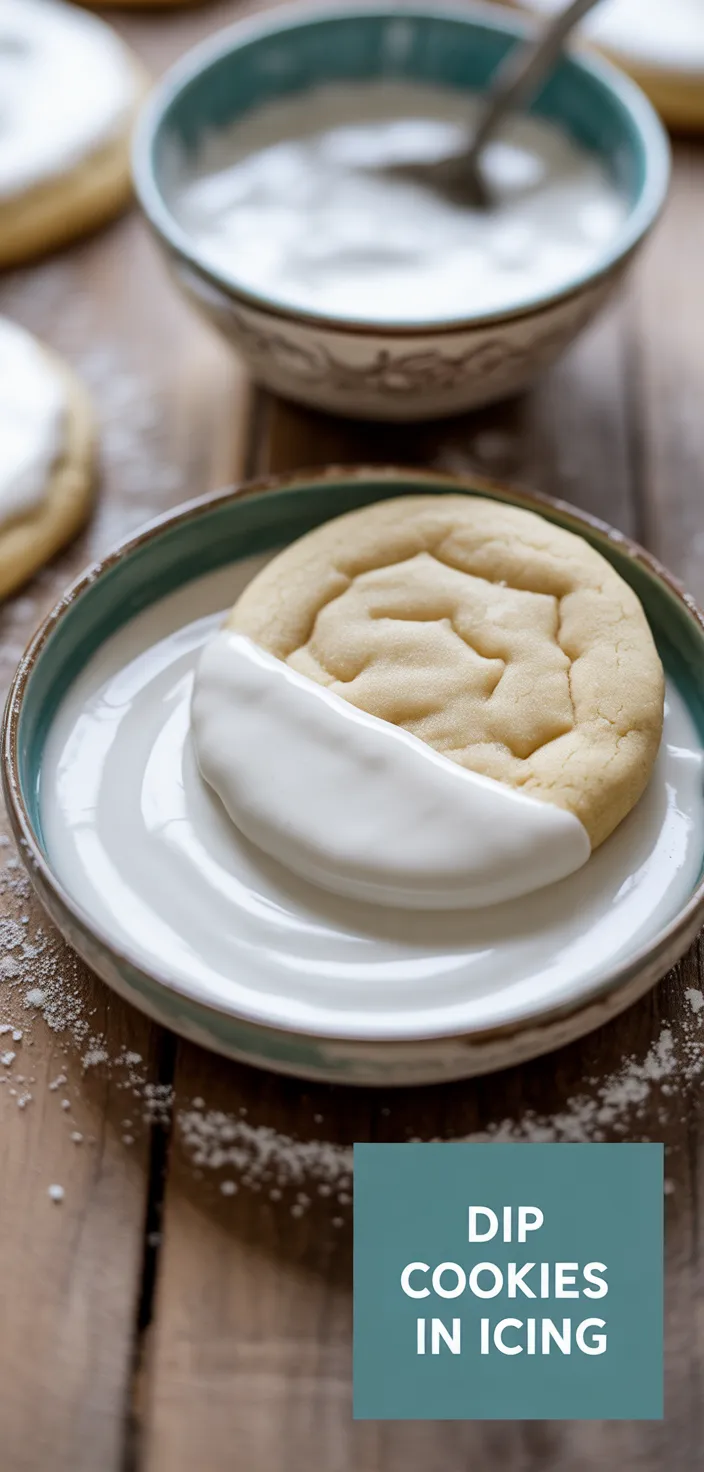
I adore dipping cookies in glossy royal icing. It’s messy, addicting, and makes simple sugar cookies sing.
And I’m obsessed with Valentine Sugar Cookies that soak up that sweet, shiny top until the edges glint. I love seeing Valentine Cookies Decorated with pastel swirls, sprinkles, or tiny hearts; it’s pure snack art.
Real butter and confectioners sugar? Yes please.
No fluff about nostalgia; I just want that first snap, the soft crumb, the sugary hit right after. Pop one in your mouth and you’ll understand why I can’t stop making them.
Trust me, this is dessert-level obsession. For real, always.
Ingredients
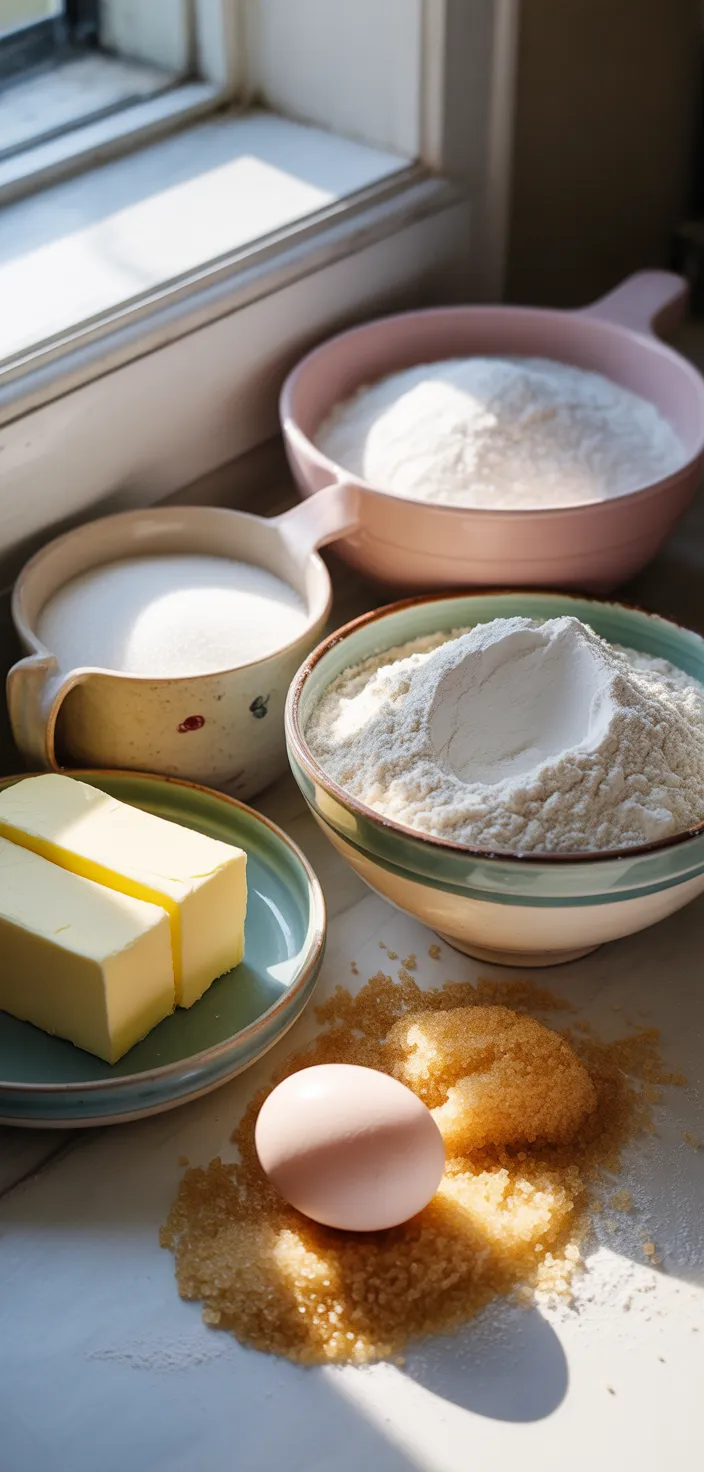
- All purpose flour – Basically the structure, gives cookies that tender-chewy bite.
- Baking powder – It lifts the dough a bit, keeps cookies from being bricks.
- Salt – Balances sweetness, makes flavors pop without being salty.
- Unsalted butter – Adds rich creaminess and that classic buttery cookie taste.
- Granulated sugar – Sweetness and slight crunch around the edges, classic texture.
- Large egg – Binds everything together, gives a tender, slightly cakey crumb.
- Vanilla extract – Adds warm background flavor; it’s comforting and familiar.
- Milk – Loosens dough a touch so it’s not dry and crumbly.
- Confectioners sugar – The smooth backbone of royal icing, velvety finish.
- Meringue powder – Stabilizes icing so it dries hard and glossy.
- Water – Thins icing to dip-friendly consistency, don’t overdo it.
- Vanilla or lemon extract – Quick flavor punch for the icing, choose boldness.
- Gel food coloring – Intense color without watering down your icing.
- Sanding sugar – Adds sparkle and crunch when you want some glam.
- Nonpareils – Tiny pops of color and fun texture, classic look.
- Sprinkles – Instant personality for cookies, makes them feel festive.
Ingredient Quantities
- All purpose flour 2 3/4 cups
- Baking powder 1 teaspoon
- Salt 1/2 teaspoon
- Unsalted butter, softened 1 cup (2 sticks)
- Granulated sugar 1 cup
- Large egg 1
- Vanilla extract 1 teaspoon
- Milk 2 tablespoons (more if dough is dry)
- Confectioners sugar 4 cups, sifted
- Meringue powder 3 tablespoons (or pasteurized egg whites if you prefer)
- Water 4 to 5 tablespoons, plus more to thin as needed
- Vanilla or lemon extract 1/2 teaspoon
- Gel food coloring, assorted colors
- Sanding sugar, nonpareils or sprinkles for decoration, optional
How to Make this
1. Preheat oven to 350 F and line baking sheets with parchment paper. Whisk together 2 3/4 cups all purpose flour, 1 teaspoon baking powder and 1/2 teaspoon salt in a bowl and set aside.
2. In a large bowl cream 1 cup (2 sticks) softened unsalted butter with 1 cup granulated sugar until light and a little fluffy, then beat in 1 large egg, 1 teaspoon vanilla extract and 2 tablespoons milk (add a bit more milk only if the dough looks dry).
3. Gradually mix the dry ingredients into the butter mixture until just combined. Don’t overmix or the cookies get tough. If dough seems too sticky chill 30 minutes.
4. Roll dough on a lightly floured surface to about 1/4 inch thick and cut with cookie cutters. Transfer to prepared sheets and chill on the tray 10 minutes if they got warm.
5. Bake cookies 8 to 10 minutes or until edges just start to color. Cool on the pan 2 minutes then move to a wire rack to cool completely before icing.
6. Make royal icing: sift 4 cups confectioners sugar into a bowl, add 3 tablespoons meringue powder and 4 tablespoons water plus 1/2 teaspoon vanilla or lemon extract. Beat until thick and glossy; if too stiff add 1 tablespoon water at a time until you get a pipeable stiff consistency.
7. For dipping consistency thin a portion of the icing with extra water until it flows easily and smooths out within about 8 to 12 seconds when drizzled from a spoon. Keep some icing at stiffer consistency if you want to pipe outlines or details.
8. Divide icing into bowls and tint with gel food coloring to desired shades. Gel works best so you don’t water down the icing.
9. To dip cookies: hold a cooled cookie and dip the top into the thinned icing, lift and let excess drip back into the bowl, tap the bottom of the cookie gently on the bowl edge to settle the icing, then add sanding sugar, sprinkles or nonpareils while icing is wet. Place on a rack or tray to dry. Let cookies sit uncovered until icing crusts, usually a few hours; overnight for fully set hard finish.
10. Store finished cookies in a single layer in an airtight container at room temp. If you need to stack, put parchment between layers. If icing gets too thick while you work, stir in a few drops of water to loosen.
Equipment Needed
1. Oven (preheat to 350 F)
2. Baking sheets and parchment paper
3. Several mixing bowls (one large for creaming, one for dry ingredients, one for icing)
4. Electric mixer or sturdy hand whisk (mixer makes creaming way easier)
5. Measuring cups and spoons plus a kitchen scale if you have one
6. Fine mesh sifter or sieve for the confectioners sugar
7. Rolling pin and cookie cutters (about 1/4 inch thickness guide helps)
8. Wire cooling rack and a rubber spatula or thin offset spatula to transfer cookies
9. Piping bags or squeeze bottles and small round tips, plus bowls for tinting icing
FAQ
The Easiest Way To Decorate A Cookie: Dipping Cookies In Royal Icing Recipe Substitutions and Variations
- All purpose flour: swap for a 1 to 1 gluten free baking blend for a gluten free cookie, or use pastry flour if you want a more tender, cakey bite. Note: GF blends may need a touch more liquid.
- Unsalted butter: use solid coconut oil (measure slightly less by volume) or vegan stick butter for dairy free cookies. Cookies made with coconut oil can spread more, so chill the dough a bit.
- Large egg: replace with a flax egg (1 tbsp ground flaxseed + 3 tbsp water, let sit 5 min) or 1/4 cup unsweetened applesauce for an eggless option. Flax gives more structure, applesauce makes it softer.
- Meringue powder: use aquafaba (the liquid from a can of chickpeas) whipped until foamy, or pasteurized liquid egg whites. Aquafaba takes longer to thicken and you might need to reduce added water in the recipe.
Pro Tips
1. Chill the dough if it gets sticky, but not forever. Cold dough is easier to cut sharp shapes and it keeps the cookies from spreading a lot. If it’s too hard, let it sit on the counter for 5 to 10 minutes before rolling.
2. Use a little cornstarch on your rolling pin or surface instead of flour. It helps prevent sticking without adding extra flour to the dough which can make the cookies tough. Tap off excess so you dont change the dough texture.
3. Keep two consistencies of royal icing: a stiff one for outlines and details and a thinner “flood” one for filling. Thin the flood slowly, one drop or 1/4 teaspoon at a time, and test on a spare cookie edge until it smooths out in about 8 to 12 seconds.
4. Drying and storage matter. Let decorated cookies crust at room temp for several hours, overnight if you can. Store in a single layer or put parchment between layers. If humidity is high, add a packet of silica gel or a slice of bread in the container to help absorb moisture.
The Easiest Way To Decorate A Cookie: Dipping Cookies In Royal Icing Recipe
I finally stopped messing around and I can make Valentine Sugar Cookies look like bakery-level art with one stupidly simple trick you'll kick yourself for not knowing.
24
servings
280
kcal
Equipment: 1. Oven (preheat to 350 F)
2. Baking sheets and parchment paper
3. Several mixing bowls (one large for creaming, one for dry ingredients, one for icing)
4. Electric mixer or sturdy hand whisk (mixer makes creaming way easier)
5. Measuring cups and spoons plus a kitchen scale if you have one
6. Fine mesh sifter or sieve for the confectioners sugar
7. Rolling pin and cookie cutters (about 1/4 inch thickness guide helps)
8. Wire cooling rack and a rubber spatula or thin offset spatula to transfer cookies
9. Piping bags or squeeze bottles and small round tips, plus bowls for tinting icing
Ingredients
All purpose flour 2 3/4 cups
Baking powder 1 teaspoon
Salt 1/2 teaspoon
Unsalted butter, softened 1 cup (2 sticks)
Granulated sugar 1 cup
Large egg 1
Vanilla extract 1 teaspoon
Milk 2 tablespoons (more if dough is dry)
Confectioners sugar 4 cups, sifted
Meringue powder 3 tablespoons (or pasteurized egg whites if you prefer)
Water 4 to 5 tablespoons, plus more to thin as needed
Vanilla or lemon extract 1/2 teaspoon
Gel food coloring, assorted colors
Sanding sugar, nonpareils or sprinkles for decoration, optional
Directions
- Preheat oven to 350 F and line baking sheets with parchment paper. Whisk together 2 3/4 cups all purpose flour, 1 teaspoon baking powder and 1/2 teaspoon salt in a bowl and set aside.
- In a large bowl cream 1 cup (2 sticks) softened unsalted butter with 1 cup granulated sugar until light and a little fluffy, then beat in 1 large egg, 1 teaspoon vanilla extract and 2 tablespoons milk (add a bit more milk only if the dough looks dry).
- Gradually mix the dry ingredients into the butter mixture until just combined. Don’t overmix or the cookies get tough. If dough seems too sticky chill 30 minutes.
- Roll dough on a lightly floured surface to about 1/4 inch thick and cut with cookie cutters. Transfer to prepared sheets and chill on the tray 10 minutes if they got warm.
- Bake cookies 8 to 10 minutes or until edges just start to color. Cool on the pan 2 minutes then move to a wire rack to cool completely before icing.
- Make royal icing: sift 4 cups confectioners sugar into a bowl, add 3 tablespoons meringue powder and 4 tablespoons water plus 1/2 teaspoon vanilla or lemon extract. Beat until thick and glossy; if too stiff add 1 tablespoon water at a time until you get a pipeable stiff consistency.
- For dipping consistency thin a portion of the icing with extra water until it flows easily and smooths out within about 8 to 12 seconds when drizzled from a spoon. Keep some icing at stiffer consistency if you want to pipe outlines or details.
- Divide icing into bowls and tint with gel food coloring to desired shades. Gel works best so you don’t water down the icing.
- To dip cookies: hold a cooled cookie and dip the top into the thinned icing, lift and let excess drip back into the bowl, tap the bottom of the cookie gently on the bowl edge to settle the icing, then add sanding sugar, sprinkles or nonpareils while icing is wet. Place on a rack or tray to dry. Let cookies sit uncovered until icing crusts, usually a few hours; overnight for fully set hard finish.
- Store finished cookies in a single layer in an airtight container at room temp. If you need to stack, put parchment between layers. If icing gets too thick while you work, stir in a few drops of water to loosen.
Notes
- Below you’ll find my best estimate of this recipe’s nutrition facts. Treat the numbers as a guide rather than a rule—great food should nourish both body and spirit. Figures are approximate, and the website owner assumes no liability for any inaccuracies in this recipe.
Nutrition Facts
- Serving Size: 56g
- Total number of serves: 24
- Calories: 280kcal
- Fat: 8.17g
- Saturated Fat: 4.94g
- Trans Fat: 0.08g
- Polyunsaturated: 0.28g
- Monounsaturated: 1.99g
- Cholesterol: 28.1mg
- Sodium: 68mg
- Potassium: 20.3mg
- Carbohydrates: 39.3g
- Fiber: 0.39g
- Sugar: 28.3g
- Protein: 1.93g
- Vitamin A: 76IU
- Vitamin C: 0mg
- Calcium: 6.3mg
- Iron: 0.21mg