I’m sharing the flaky, buttery pie crust that makes every filling look like it came from a bakery case. This is the crust I count on when I want golden layers, tender crumbs, and zero leftovers.
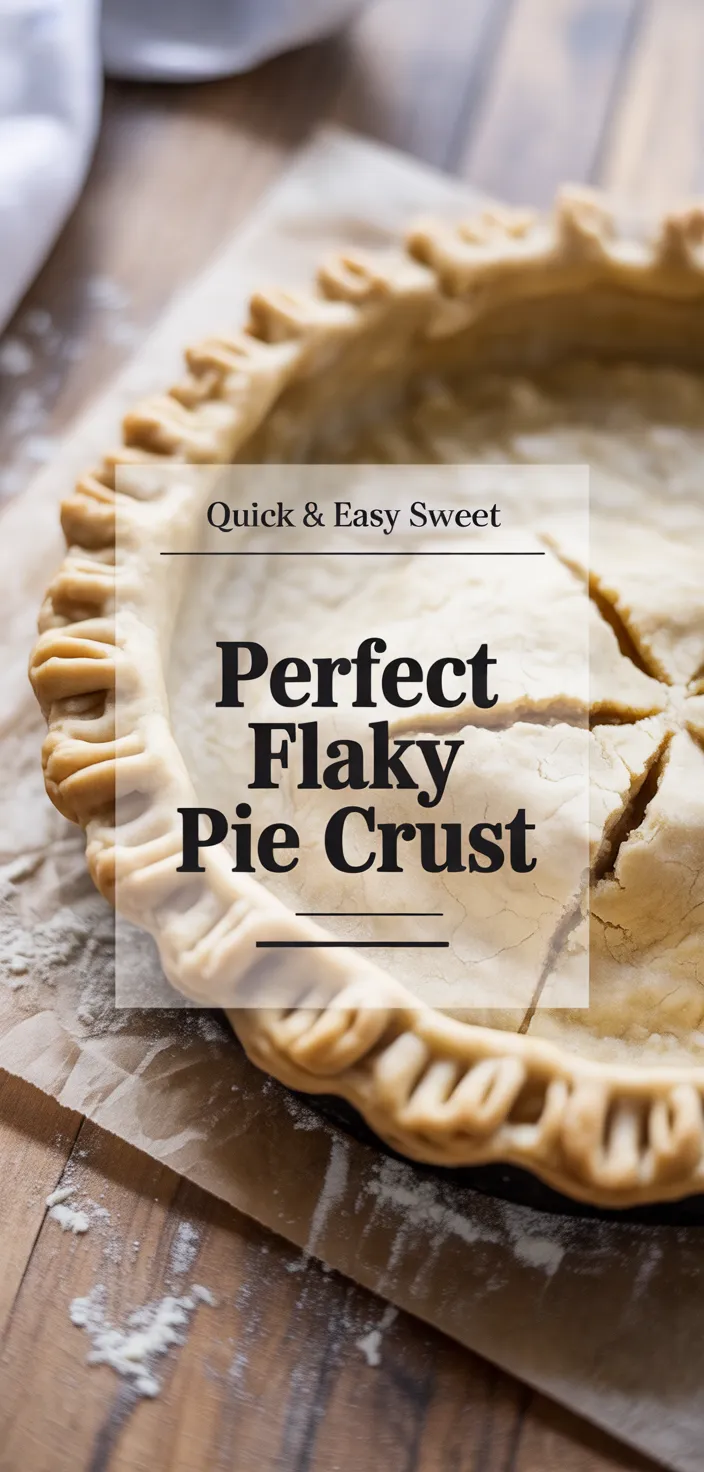
I’m wildly picky about pie crust, and this is the one I keep coming back to. I love the way all purpose flour and very cold unsalted butter turn into those messy, shattery layers that actually taste like something, not just a container for filling.
But the real reason I’m obsessed? It bakes up tender, flaky, buttery, and sturdy enough to handle juicy fruit, silky custard, or a pile of whipped cream without going sad and soggy.
And yes, I will absolutely steal the crimped edges first. Every time.
No shame. Just good crust doing exactly what I want.
Ingredients
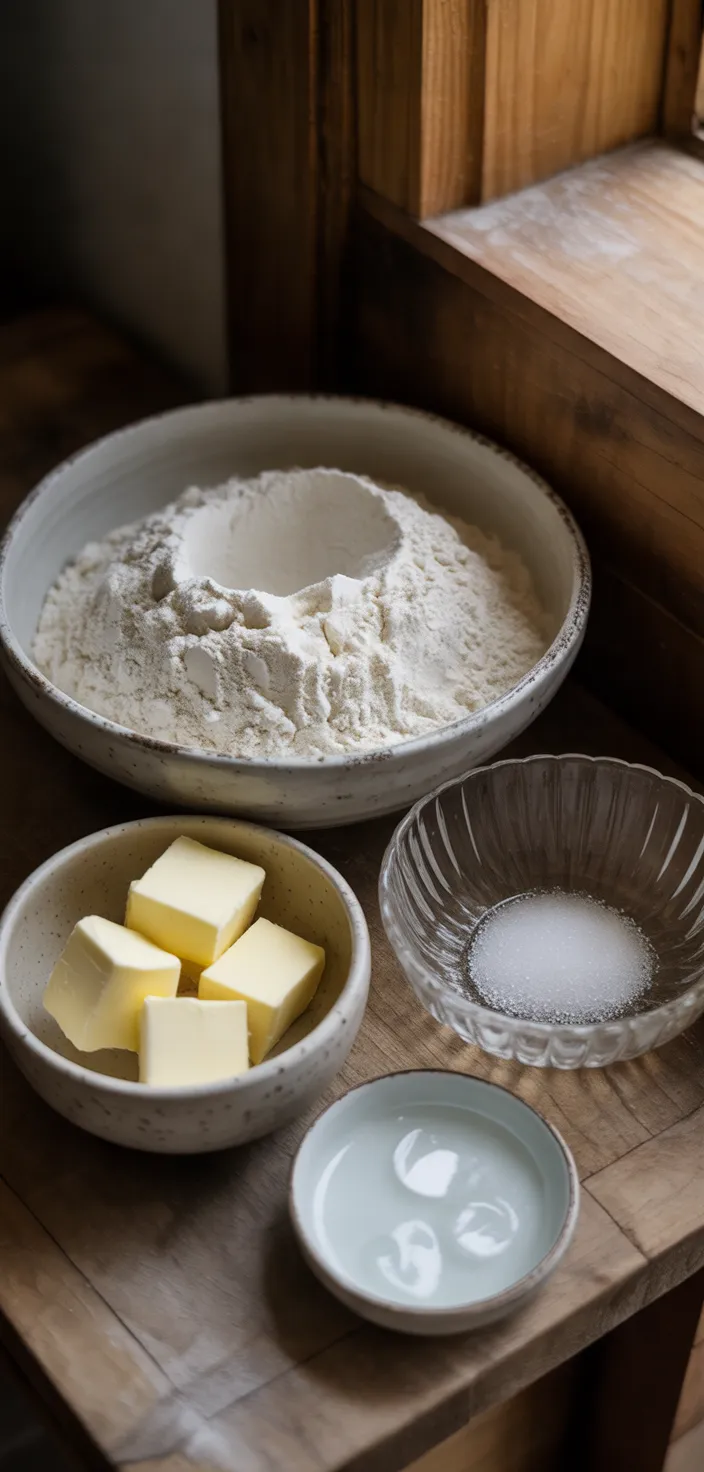
- Flour is the backbone, giving the crust structure without making it feel heavy.
- Sugar’s optional, but it helps with browning and adds a tiny cozy sweetness.
- Salt keeps the crust from tasting flat.
Don’t skip it, friend.
- Cold butter makes those flaky layers everyone secretly judges pie crust by.
- Shortening or lard adds extra tenderness and that old-school bakery-style flake.
- Ice water brings the dough together without waking up too much gluten.
- Plus, vinegar or vodka helps keep things tender, not tough or chewy.
Ingredient Quantities
- 2 1/2 cups (315 g) all purpose flour
- 1 tablespoon granulated sugar (optional, for browning and flavor)
- 1 teaspoon fine salt
- 1 cup (226 g / 2 sticks) unsalted butter, very cold and cut into 1/2 inch cubes
- 1/2 cup (110 g) vegetable shortening or lard, very cold (optional for extra flake)
- 6 to 8 tablespoons ice cold water, plus more if needed
- 1 to 2 tablespoons white vinegar or plain vodka (optional, helps tenderize)
How to Make this
1. In a large bowl whisk together 2 1/2 cups (315 g) all purpose flour, 1 tablespoon granulated sugar if using, and 1 teaspoon fine salt until evenly combined.
2. Add 1 cup (226 g / 2 sticks) very cold unsalted butter cut into 1/2 inch cubes and 1/2 cup (110 g) very cold vegetable shortening or lard if using.
3. Using a pastry cutter, two forks, or your fingertips, quickly cut the fats into the flour until the mixture resembles coarse crumbs with pea sized pieces of butter remaining.
4. Mix 1 to 2 tablespoons white vinegar or plain vodka into 6 tablespoons ice cold water, then add additional ice water 1 tablespoon at a time as needed; you should have 6 to 8 tablespoons total.
5. Sprinkle the cold liquid over the flour mixture and gently toss with a fork until dough just comes together in clumps; it should be moist but not sticky. Do not overwork the dough.
6. Turn the mixture onto a lightly floured surface and gather into two discs for a double crust or one disc for a single crust, pressing gently to bring the dough together without kneading.
7. Wrap each disc tightly in plastic wrap and refrigerate at least 1 hour, or up to 2 days, to firm the fats and relax the gluten.
8. When ready to roll, let dough sit 5 minutes at room temperature if very firm, then roll between lightly floured surfaces to desired size and thickness, rotating and flouring as needed to prevent sticking.
9. Fit the dough into your pie plate, trim and crimp edges, chill 30 minutes if the dough warmed while handling, then fill and bake according to your pie filling instructions; for a blind baked crust, dock the bottom, line with parchment, fill with pie weights and bake at 375°F (190°C) until edges are golden, about 20 minutes, remove weights and bake until the bottom is set.
Equipment Needed
1. Large mixing bowl
2. Whisk
3. Measuring cups and spoons
4. Pastry cutter or two sturdy forks
5. Bench scraper or flexible spatula
6. Rolling pin
7. Plastic wrap
8. Pie plate or tart pan
9. Parchment paper and pie weights or dried beans for blind baking
10. Refrigerator for chilling the dough
FAQ
How To Make The Perfect Homemade Flaky Pie Crust Recipe Substitutions and Variations
How To Make The Perfect Homemade Flaky Pie Crust
A tender, flaky pie crust is all about cold fat, minimal handling, and just enough liquid. Follow these steps for a reliably buttery, layered crust that browns beautifully and holds up to any filling.
Ingredients
– 2 1/2 cups (315 g) all purpose flour
– 1 tablespoon granulated sugar optional, for browning and flavor
– 1 teaspoon fine salt
– 1 cup (226 g / 2 sticks) unsalted butter, very cold and cut into 1/2 inch cubes
– 1/2 cup (110 g) vegetable shortening or lard, very cold optional for extra flake
– 6 to 8 tablespoons ice cold water, plus more if needed
– 1 to 2 tablespoons white vinegar or plain vodka optional, helps tenderize
Method
1. Chill everything. Put the cubed butter and shortening in the fridge until they are very cold. Chill the mixing bowl if you like.
2. Combine dry ingredients. In a large bowl whisk the flour, sugar, and salt.
3. Cut in the fat. Add the cold butter and shortening to the flour. Use a pastry cutter, two forks, or your fingertips to work the fat into the flour until the mixture looks like coarse crumbs with some pea sized pieces of fat remaining. Those pea sized bits create steam pockets for flake.
4. Add cold liquid. Mix the vinegar or vodka into the ice water. Sprinkle 1 tablespoon at a time into the flour mixture, gently tossing with a fork until the dough just holds together when pinched. Use 6 to 8 tablespoons as needed. Do not overwork.
5. Form and chill. Gather the dough into two discs for a double crust or one disc for a single crust. Wrap in plastic and chill at least 1 hour or up to 2 days. This firms the fat and relaxes gluten.
6. Roll with care. On a lightly floured surface roll from the center outward, turning the dough a quarter turn to keep an even circle. Roll just large enough for your pan to avoid overhandling.
7. Blind bake or fill. For pre-baked shells, chill the shaped crust 20 minutes, line with parchment and weights, then bake at 375 F 190 C for 15 minutes, remove weights and bake until golden. For filled pies, assemble and follow the recipe baking temperature and time.
8. Finish. Brush with an egg wash if you want a shiny brown finish. Cool on a rack.
Tips
– Keep everything cold from start to finish. Warm hands or warm fat mean tough crust.
– Leave visible butter pieces about the size of peas for the flakiest layers.
– If dough cracks when you transfer it to the pan, patch with a little water and press gently.
– Freeze extra crust discs for up to 1 month wrapped tightly.
Substitutions
- All purpose flour: swap with pastry flour for a more tender, delicate crust or use up to 25 percent whole wheat pastry flour for a nuttier flavor and more structure
- Unsalted butter: use salted butter and omit or reduce added salt, or use a high quality plant based butter for a dairy free option
- Vegetable shortening or lard: replace with an equal amount of cold, solid coconut oil for a neutral, flaky result or use additional butter for richer flavor
- White vinegar or vodka: substitute with an equal amount of lemon juice or omit entirely and use just ice cold water if you prefer no acid
Pro Tips
Use very cold fats and keep everything chilly. Work quickly so butter and shortening stay in pea sized pieces; those bits create flakiness as they melt in the oven. If dough starts to soften in your hands, pop it back in the fridge for 10 to 15 minutes before continuing.
If you used vinegar or vodka, stick to the lower amount called for and avoid overmixing. The acid/tip amounts help relax gluten without making the dough gummy, so add the liquid slowly until the dough just holds together in clumps.
For extra rolling control, roll from the center outward in one direction, rotate the dough a quarter turn often, and lift and flour underneath to prevent sticking. Roll between two sheets of lightly floured parchment or plastic wrap to transfer the crust to the pan without tearing.
Prevent a soggy bottom by preheating the baking sheet before you slide the pie on it, and for wet fillings or fruit pies, bake on the lower third of the oven and consider blind baking the bottom a bit longer. If you have scraps, freeze them flattened for quick patching or to bake little turnovers.
How To Make The Perfect Homemade Flaky Pie Crust Recipe
I’m sharing the flaky, buttery pie crust that makes every filling look like it came from a bakery case. This is the crust I count on when I want golden layers, tender crumbs, and zero leftovers.
8
servings
468
kcal
Equipment: 1. Large mixing bowl
2. Whisk
3. Measuring cups and spoons
4. Pastry cutter or two sturdy forks
5. Bench scraper or flexible spatula
6. Rolling pin
7. Plastic wrap
8. Pie plate or tart pan
9. Parchment paper and pie weights or dried beans for blind baking
10. Refrigerator for chilling the dough
Ingredients
2 1/2 cups (315 g) all purpose flour
1 tablespoon granulated sugar (optional, for browning and flavor)
1 teaspoon fine salt
1 cup (226 g / 2 sticks) unsalted butter, very cold and cut into 1/2 inch cubes
1/2 cup (110 g) vegetable shortening or lard, very cold (optional for extra flake)
6 to 8 tablespoons ice cold water, plus more if needed
1 to 2 tablespoons white vinegar or plain vodka (optional, helps tenderize)
Directions
- In a large bowl whisk together 2 1/2 cups (315 g) all purpose flour, 1 tablespoon granulated sugar if using, and 1 teaspoon fine salt until evenly combined.
- Add 1 cup (226 g / 2 sticks) very cold unsalted butter cut into 1/2 inch cubes and 1/2 cup (110 g) very cold vegetable shortening or lard if using.
- Using a pastry cutter, two forks, or your fingertips, quickly cut the fats into the flour until the mixture resembles coarse crumbs with pea sized pieces of butter remaining.
- Mix 1 to 2 tablespoons white vinegar or plain vodka into 6 tablespoons ice cold water, then add additional ice water 1 tablespoon at a time as needed; you should have 6 to 8 tablespoons total.
- Sprinkle the cold liquid over the flour mixture and gently toss with a fork until dough just comes together in clumps; it should be moist but not sticky. Do not overwork the dough.
- Turn the mixture onto a lightly floured surface and gather into two discs for a double crust or one disc for a single crust, pressing gently to bring the dough together without kneading.
- Wrap each disc tightly in plastic wrap and refrigerate at least 1 hour, or up to 2 days, to firm the fats and relax the gluten.
- When ready to roll, let dough sit 5 minutes at room temperature if very firm, then roll between lightly floured surfaces to desired size and thickness, rotating and flouring as needed to prevent sticking.
- Fit the dough into your pie plate, trim and crimp edges, chill 30 minutes if the dough warmed while handling, then fill and bake according to your pie filling instructions; for a blind baked crust, dock the bottom, line with parchment, fill with pie weights and bake at 375°F (190°C) until edges are golden, about 20 minutes, remove weights and bake until the bottom is set.
Notes
- Below you’ll find my best estimate of this recipe’s nutrition facts. Treat the numbers as a guide rather than a rule—great food should nourish both body and spirit. Figures are approximate, and the website owner assumes no liability for any inaccuracies in this recipe.
Nutrition Facts
- Serving Size: 100g
- Total number of serves: 8
- Calories: 468kcal
- Fat: 36.6g
- Saturated Fat: 17.1g
- Trans Fat: 0.85g
- Polyunsaturated: 5g
- Monounsaturated: 12.9g
- Cholesterol: 60.8mg
- Sodium: 288mg
- Potassium: 49mg
- Carbohydrates: 31.5g
- Fiber: 1.3g
- Sugar: 1.6g
- Protein: 4.1g
- Vitamin A: 193IU
- Vitamin C: 0mg
- Calcium: 13mg
- Iron: 0.47mg