I’m sharing my Easy Flaky Pie Crust made with just three simple ingredients and about 15 minutes of prep in the food processor, and there’s a tiny technique that makes it unexpectedly flaky.
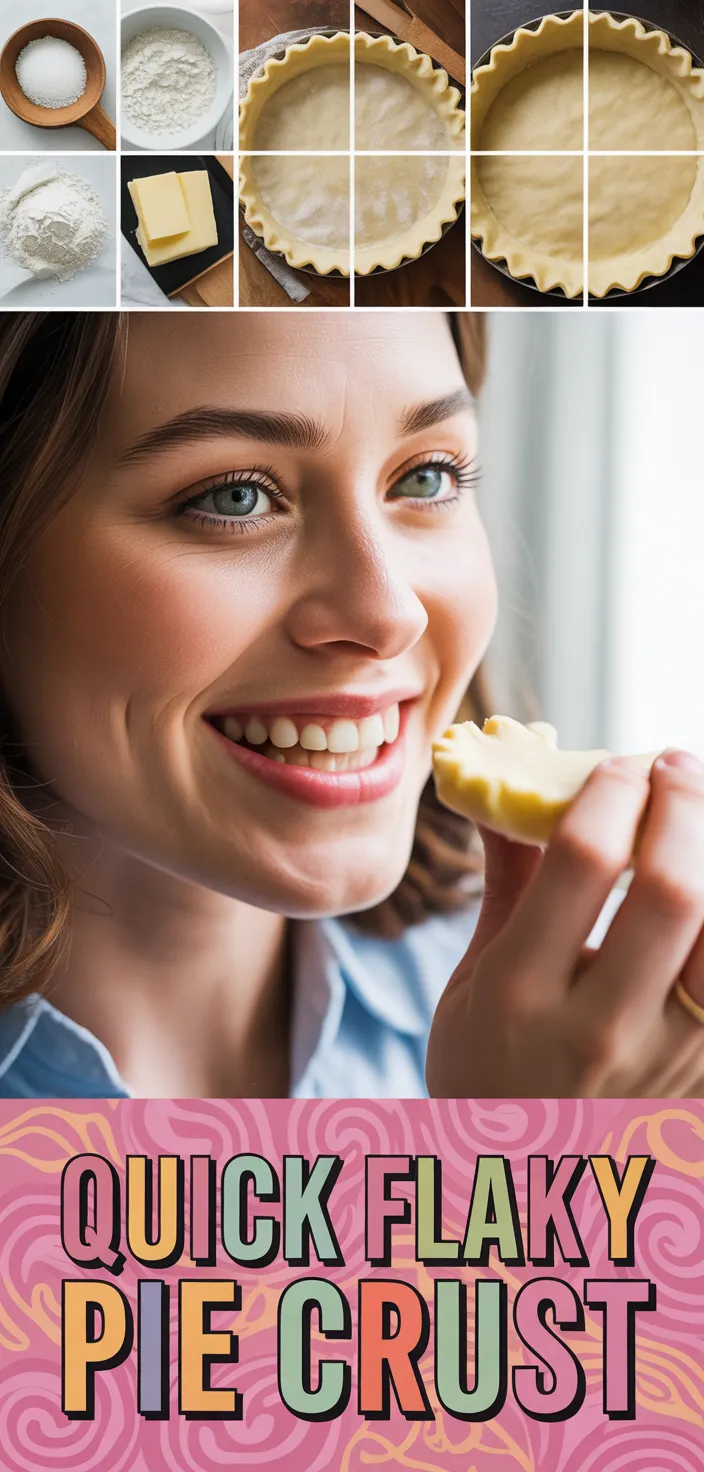
I used to avoid making pie because pastry felt intimidating, but this Quick Pie Crust changed that for me. With nothing more than all purpose flour and unsalted butter I can pull together a crust in about 15 minutes that actually flakes.
Folks talk about pastry like it needs wizard skills, yet this Easy Flaky Pie Crust is forgiving, a little messy, and tastes way better than store-bought. I learned a few small hacks the hard way, and those tiny moves make a big difference.
Give it a shot, you might surprise yourself, or at least save a bunch of time.
Ingredients
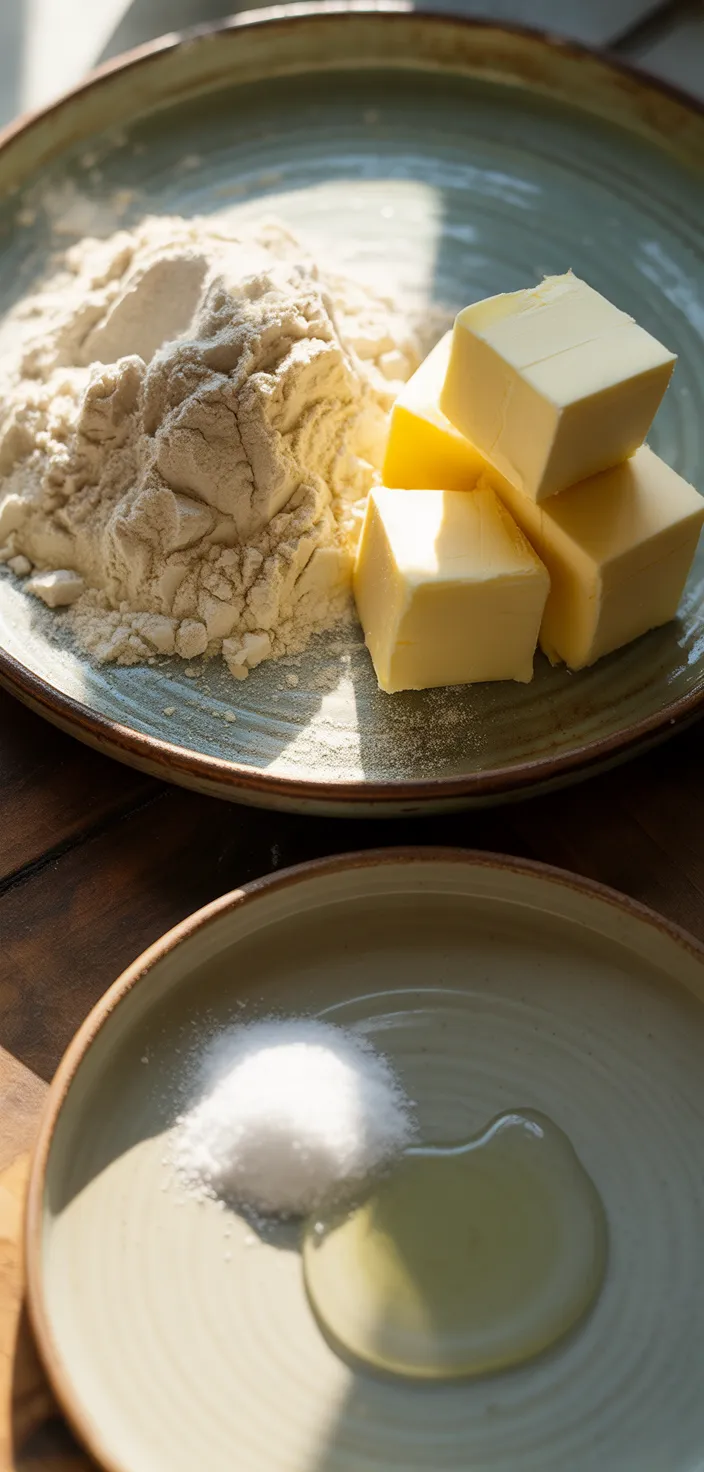
- All purpose flour provides carbs and structure, makes crust tender, kinda bland.
- Fine salt boosts flavor, balances sweetness, tiny sodium hit, don’t overdo it.
- Unsalted butter is rich in fat and flavor, creates flaky layers, I use lots.
- Ice water hydrates dough, controls texture, no calories, keeps butter cold for flakiness.
Ingredient Quantities
- 1 1/4 cups (150 g) all purpose flour
- 1/2 teaspoon (3 g) fine salt
- 1/2 cup (1 stick, 113 g) unsalted butter, very cold, cubed
- 3 tablespoons (45 ml) ice water
How to Make this
1. Put the 1 1/4 cups flour and 1/2 tsp salt in your food processor bowl and pulse a couple times to mix them up.
2. Make sure the 1/2 cup very cold, cubed butter is straight from the fridge, then add it to the flour. Pulse in short 1 second bursts until the mixture looks like coarse meal with lots of pea sized bits of butter still visible. dont overwork it or youll lose the flake.
3. Drip in 1 tablespoon of the 3 tablespoons ice water evenly around the bowl, pulse a few times. If it still looks dry add the second tablespoon, pulse, then the third only if needed. You want the dough to just start to clump when squeezed not wet or sticky.
4. Stop pulsing once the dough holds together when you press a handful. Leaving some bigger butter pieces is good they make the crust flaky.
5. Dump the mixture onto a lightly floured surface and gently press it together into a rough disk with your hands. If it falls apart add a splash more ice water, but dont add too much.
6. Wrap the disk tightly in plastic or parchment and chill in the fridge for at least 15 minutes. This firms the butter and relaxes the gluten so the crust rolls easy.
7. Roll the chilled disk out on a floured surface or between two sheets of parchment to your pie size. Rotate the dough as you roll and flour under it if it sticks, patch any tears with extra dough bits.
8. Transfer the rolled crust to your pie dish, trim the edges leaving about 1/2 inch overhang, fold under and crimp however you like. Chill again 10 to 15 minutes before baking to help prevent shrinking.
9. If your recipe calls for blind baking line the crust with parchment, fill with pie weights or dried beans and bake until the edges set, then remove weights and finish baking until golden.
10. Quick tips: measure flour by spooning into the cup then level it, keep everything cold, pulse dont puree, and work fast for the flakiest crust.
Equipment Needed
1. Food processor bowl with S blade, you’ll pulse the flour and butter in it
2. Measuring cups and measuring spoons (or a kitchen scale for more accurate flour measurements)
3. Rolling pin for rolling the chilled disk out
4. Parchment paper for rolling between sheets and for lining during blind baking
5. Pie dish, about 9 inch, plus a rimmed baking sheet to set it on for baking
6. Plastic wrap or extra parchment to tightly wrap and chill the dough
7. Bench scraper or sharp knife to lift, trim and patch the dough pieces
8. Pie weights or dried beans for blind baking, and oven mitts for handling hot pans
FAQ
How To Make A Quick And Easy Flaky Pie Crust Recipe Substitutions and Variations
- All purpose flour → Pastry flour for a lighter, more tender crust, same volume. If you dont have pastry flour, mix 1/2 cup cake flour + 3/4 cup AP to mimic it.
- Fine salt → Kosher or coarse sea salt, just use a bit more by volume since the flakes are bigger, or use salted butter and cut the added salt back.
- Unsalted butter → Salted butter (omit/reduce the added salt) or swap half the butter for very cold vegetable shortening or lard for extra flakiness and flakier layers.
- Ice water → Replace up to half the water with vodka (eg 1–2 tbsp vodka + rest ice water) for a flakier, more tender crust, or use chilled buttermilk for a slightly richer tang.
Pro Tips
1) Keep everything cold, yes the bowl and even your hands if you can. If the butter starts to soften while you work, chuck the whole bowl in the freezer for 10 minutes. It saves you from a greasy flat crust later.
2) Weigh your flour when you can — 150 g is exact, a cup can lie to you. No scale? Spoon the flour into the cup then level it, dont pack it down.
3) Add water little by little and use the squeeze test: the dough should just hold together when you press it, not feel wet or sticky. If you overdo the water you cant take it back easily, so err on the dry side.
4) For easier rolling and less extra flour, roll between two sheets of parchment. If you tear it patch with cold dough bits, chill again for a few minutes before finishing. Trust me, it makes the crust flaky and less frustrating.
How To Make A Quick And Easy Flaky Pie Crust Recipe
I’m sharing my Easy Flaky Pie Crust made with just three simple ingredients and about 15 minutes of prep in the food processor, and there’s a tiny technique that makes it unexpectedly flaky.
8
servings
170
kcal
Equipment: 1. Food processor bowl with S blade, you’ll pulse the flour and butter in it
2. Measuring cups and measuring spoons (or a kitchen scale for more accurate flour measurements)
3. Rolling pin for rolling the chilled disk out
4. Parchment paper for rolling between sheets and for lining during blind baking
5. Pie dish, about 9 inch, plus a rimmed baking sheet to set it on for baking
6. Plastic wrap or extra parchment to tightly wrap and chill the dough
7. Bench scraper or sharp knife to lift, trim and patch the dough pieces
8. Pie weights or dried beans for blind baking, and oven mitts for handling hot pans
Ingredients
1 1/4 cups (150 g) all purpose flour
1/2 teaspoon (3 g) fine salt
1/2 cup (1 stick, 113 g) unsalted butter, very cold, cubed
3 tablespoons (45 ml) ice water
Directions
- Put the 1 1/4 cups flour and 1/2 tsp salt in your food processor bowl and pulse a couple times to mix them up.
- Make sure the 1/2 cup very cold, cubed butter is straight from the fridge, then add it to the flour. Pulse in short 1 second bursts until the mixture looks like coarse meal with lots of pea sized bits of butter still visible. dont overwork it or youll lose the flake.
- Drip in 1 tablespoon of the 3 tablespoons ice water evenly around the bowl, pulse a few times. If it still looks dry add the second tablespoon, pulse, then the third only if needed. You want the dough to just start to clump when squeezed not wet or sticky.
- Stop pulsing once the dough holds together when you press a handful. Leaving some bigger butter pieces is good they make the crust flaky.
- Dump the mixture onto a lightly floured surface and gently press it together into a rough disk with your hands. If it falls apart add a splash more ice water, but dont add too much.
- Wrap the disk tightly in plastic or parchment and chill in the fridge for at least 15 minutes. This firms the butter and relaxes the gluten so the crust rolls easy.
- Roll the chilled disk out on a floured surface or between two sheets of parchment to your pie size. Rotate the dough as you roll and flour under it if it sticks, patch any tears with extra dough bits.
- Transfer the rolled crust to your pie dish, trim the edges leaving about 1/2 inch overhang, fold under and crimp however you like. Chill again 10 to 15 minutes before baking to help prevent shrinking.
- If your recipe calls for blind baking line the crust with parchment, fill with pie weights or dried beans and bake until the edges set, then remove weights and finish baking until golden.
- Quick tips: measure flour by spooning into the cup then level it, keep everything cold, pulse dont puree, and work fast for the flakiest crust.
Notes
- Below you’ll find my best estimate of this recipe’s nutrition facts. Treat the numbers as a guide rather than a rule—great food should nourish both body and spirit. Figures are approximate, and the website owner assumes no liability for any inaccuracies in this recipe.
Nutrition Facts
- Serving Size: 39g
- Total number of serves: 8
- Calories: 170kcal
- Fat: 11.6g
- Saturated Fat: 7.2g
- Trans Fat: 0.42g
- Polyunsaturated: 0.42g
- Monounsaturated: 3g
- Cholesterol: 30mg
- Sodium: 152mg
- Potassium: 23mg
- Carbohydrates: 14.3g
- Fiber: 0.6g
- Sugar: 0.06g
- Protein: 1.9g
- Vitamin A: 353IU
- Vitamin C: 0mg
- Calcium: 6.2mg
- Iron: 0.23mg