I swear this homemade pie crust is the flaky, golden secret behind pies that look bakery-perfect every time. One bite and you’ll see why I never settle for store-bought.
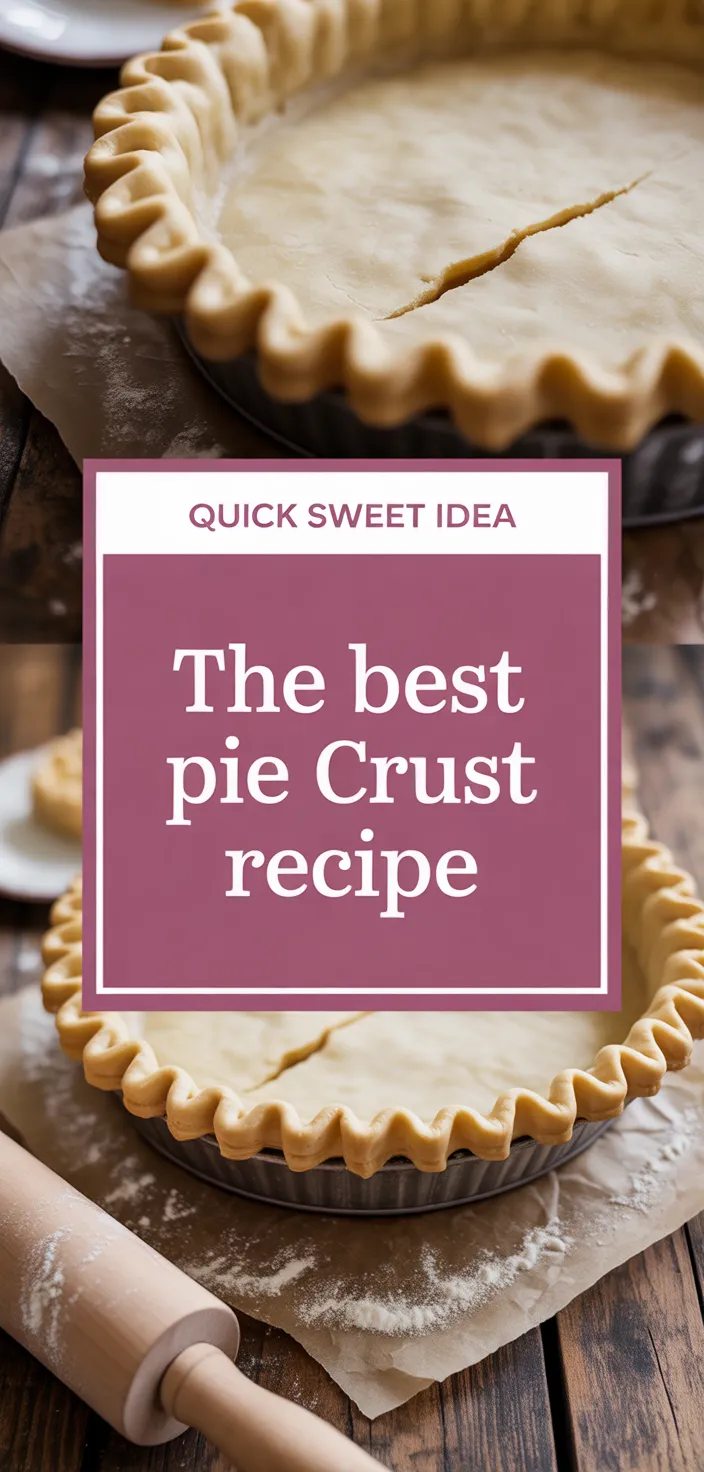
I’m wildly picky about pie crust, and this is the one I keep coming back to. I love how it bakes up golden, flaky, and strong enough to hold a loaded fruit pie without going limp or sad.
The combo of all purpose flour and very cold unsalted butter gives me those crisp, shattery layers I want every single time. But it still tastes rich, buttery, and totally worth stealing edge pieces for.
And the look? Pretty enough for holiday pies, casual enough for Tuesday cravings.
No bland, cardboard crust here. Just buttery flakes, clean slices, and real pie satisfaction.
Ingredients
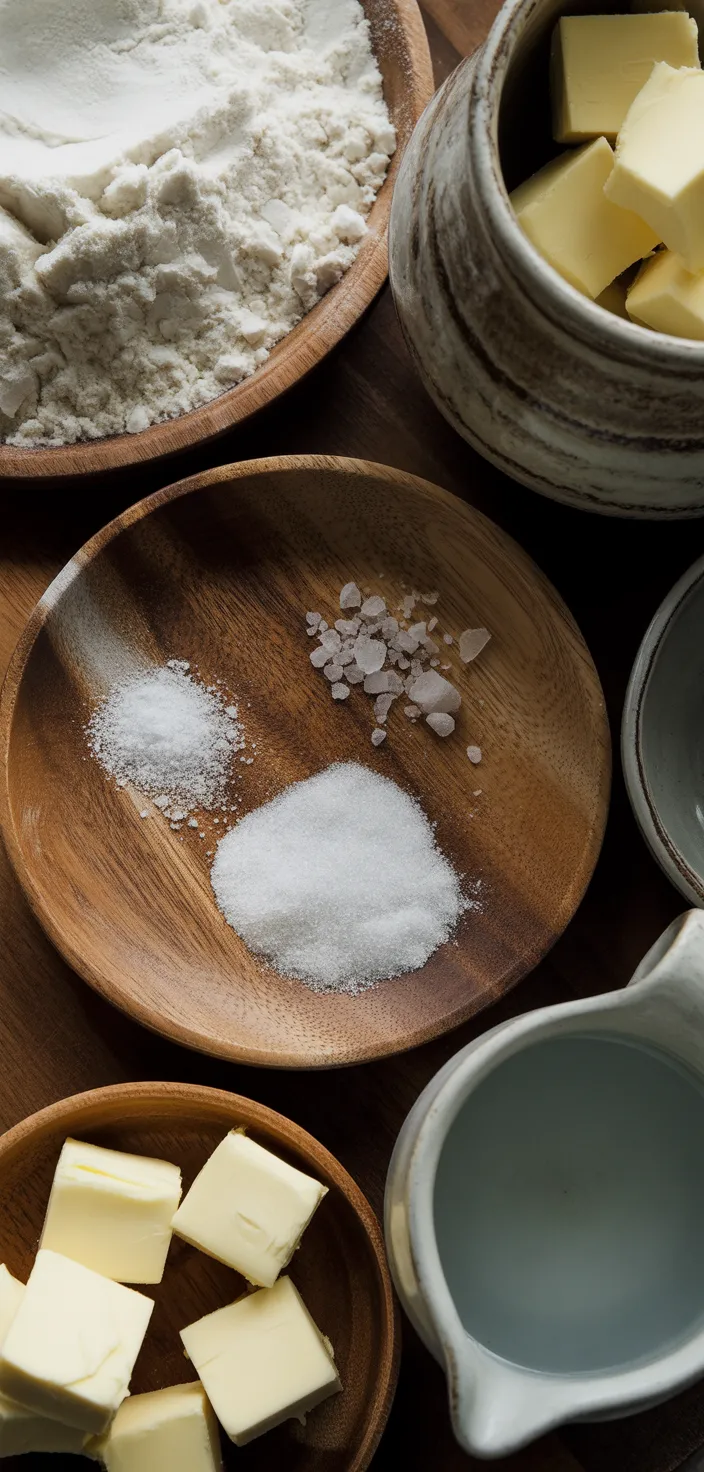
- Flour is the sturdy base, giving your crust structure without turning it tough.
- Fine salt wakes everything up, so the crust doesn’t taste flat or boring.
- Sugar adds a tiny sweetness, especially nice when you’re making fruit pies.
- Cold butter is the flaky magic.
It melts into layers you’ll actually notice.
- Shortening helps with extra tenderness, if you like a softer, shattery bite.
- Ice water brings the dough together without making it sticky or heavy.
- Vinegar or lemon juice keeps things tender.
Plus, you won’t taste it.
- Basically, these simple ingredients make a crust that feels homemade and reliable.
Ingredient Quantities
- 2 1/2 cups (312 g) all purpose flour
- 1 teaspoon fine salt
- 1 tablespoon granulated sugar (optional for sweet pies)
- 1 cup (226 g; 2 sticks) unsalted butter, very cold and cut into 1/2 inch cubes
- 2 tablespoons cold vegetable shortening, optional (for extra flakiness)
- 1/4 to 1/2 cup (60 to 120 ml) ice water, more as needed
- 1 tablespoon white vinegar or lemon juice, optional (helps tenderize)
How to Make this
1. In a large bowl whisk together 2 1/2 cups (312 g) all purpose flour, 1 teaspoon fine salt, and 1 tablespoon granulated sugar if making a sweet pie.
2. Add 1 cup (226 g; 2 sticks) very cold unsalted butter cut into 1/2 inch cubes and 2 tablespoons cold vegetable shortening if using; toss briefly to coat with flour.
3. Using a pastry cutter, two forks, or your fingertips, cut the butter and shortening into the flour until the mixture resembles coarse crumbs with pea sized pieces of fat remaining.
4. Stir together 1 tablespoon white vinegar or lemon juice with 1/4 cup (60 ml) ice water; drizzle into the flour mixture a few tablespoons at a time, gently mixing until dough just comes together. Add up to 1/2 cup (120 ml) ice water if needed; do not overwork.
5. Gather the dough into a shaggy mass, divide in half for two crusts if desired, and gently press each portion into a flat disk about 1 inch thick.
6. Wrap disks in plastic wrap and chill at least 1 hour and up to 2 days; for best texture chill longer if possible.
7. On a lightly floured surface roll one disk from center outward to a circle about 12 inches across for a 9 inch pie plate, turning the dough occasionally to prevent sticking.
8. Transfer rolled dough to the pie plate, ease it into place without stretching, trim excess to 1/2 inch beyond rim, fold under and crimp edge as desired; return to the refrigerator for 15 to 30 minutes before baking.
9. For a filled pie bake according to your filling recipe. For a blind baked crust preheat oven to 375 degrees F (190 degrees C), line crust with parchment and pie weights or dried beans, bake 20 to 25 minutes until edges are set, remove weights and parchment and bake 8 to 12 more minutes until golden.
10. Cool slightly before filling or use as directed; leftover dough can be wrapped and frozen for up to 1 month.
Equipment Needed
1. Large mixing bowl
2. Measuring cups and spoons
3. Pastry cutter or two forks
4. Rolling pin
5. Lightly floured work surface or pastry board
6. Plastic wrap
7. Bench scraper or spatula
8. 9 inch pie plate
9. Parchment paper and pie weights or dried beans
FAQ
The BEST Pie Crust Recipe Substitutions and Variations
- All purpose flour: substitute with 1-to-1 gluten free flour blend (use a blend that contains xanthan or guar for structure) or 100% whole wheat pastry flour for a nuttier, slightly denser crust (use slightly less water).
- Unsalted butter: substitute with cold European butter for richer flavor and higher fat, or use half butter and half cold coconut oil (solid) for a dairy-free option with good flake and subtle coconut note.
- Vegetable shortening: substitute with cold lard for superior flakiness and savory depth, or use additional butter if you prefer a more buttery flavor (may yield slightly less lift).
- White vinegar or lemon juice: substitute with apple cider vinegar or plain distilled white vinegar; if avoiding vinegar, use an extra tablespoon of very cold water and handle dough gently to preserve tenderness.
Pro Tips
1) Keep everything very cold. Chill the butter, shortening and water, and work quickly so the fat stays in pea-sized pieces. Those small cold pockets of fat are what give you flaky layers when baked.
2) Don’t overwork the dough. Mix just until it holds together and then stop. Over-kneading activates gluten and makes the crust tough instead of tender.
3) Rest well in the fridge. If time allows, chill the disks several hours or overnight. That relaxes the gluten, firms the fat, and makes rolling easier while improving texture.
4) When rolling, lift and turn the dough often and add only a light dusting of flour. If the center sticks but the edges move freely, it is ready to transfer to the pan without stretching. If the dough warms or becomes soft, pop it back in the fridge for 10 to 20 minutes before finishing.
The BEST Pie Crust Recipe
I swear this homemade pie crust is the flaky, golden secret behind pies that look bakery-perfect every time. One bite and you’ll see why I never settle for store-bought.
8
servings
382
kcal
Equipment: 1. Large mixing bowl
2. Measuring cups and spoons
3. Pastry cutter or two forks
4. Rolling pin
5. Lightly floured work surface or pastry board
6. Plastic wrap
7. Bench scraper or spatula
8. 9 inch pie plate
9. Parchment paper and pie weights or dried beans
Ingredients
2 1/2 cups (312 g) all purpose flour
1 teaspoon fine salt
1 tablespoon granulated sugar (optional for sweet pies)
1 cup (226 g; 2 sticks) unsalted butter, very cold and cut into 1/2 inch cubes
2 tablespoons cold vegetable shortening, optional (for extra flakiness)
1/4 to 1/2 cup (60 to 120 ml) ice water, more as needed
1 tablespoon white vinegar or lemon juice, optional (helps tenderize)
Directions
- In a large bowl whisk together 2 1/2 cups (312 g) all purpose flour, 1 teaspoon fine salt, and 1 tablespoon granulated sugar if making a sweet pie.
- Add 1 cup (226 g; 2 sticks) very cold unsalted butter cut into 1/2 inch cubes and 2 tablespoons cold vegetable shortening if using; toss briefly to coat with flour.
- Using a pastry cutter, two forks, or your fingertips, cut the butter and shortening into the flour until the mixture resembles coarse crumbs with pea sized pieces of fat remaining.
- Stir together 1 tablespoon white vinegar or lemon juice with 1/4 cup (60 ml) ice water; drizzle into the flour mixture a few tablespoons at a time, gently mixing until dough just comes together. Add up to 1/2 cup (120 ml) ice water if needed; do not overwork.
- Gather the dough into a shaggy mass, divide in half for two crusts if desired, and gently press each portion into a flat disk about 1 inch thick.
- Wrap disks in plastic wrap and chill at least 1 hour and up to 2 days; for best texture chill longer if possible.
- On a lightly floured surface roll one disk from center outward to a circle about 12 inches across for a 9 inch pie plate, turning the dough occasionally to prevent sticking.
- Transfer rolled dough to the pie plate, ease it into place without stretching, trim excess to 1/2 inch beyond rim, fold under and crimp edge as desired; return to the refrigerator for 15 to 30 minutes before baking.
- For a filled pie bake according to your filling recipe. For a blind baked crust preheat oven to 375 degrees F (190 degrees C), line crust with parchment and pie weights or dried beans, bake 20 to 25 minutes until edges are set, remove weights and parchment and bake 8 to 12 more minutes until golden.
- Cool slightly before filling or use as directed; leftover dough can be wrapped and frozen for up to 1 month.
Notes
- Below you’ll find my best estimate of this recipe’s nutrition facts. Treat the numbers as a guide rather than a rule—great food should nourish both body and spirit. Figures are approximate, and the website owner assumes no liability for any inaccuracies in this recipe.
Nutrition Facts
- Serving Size: 86g
- Total number of serves: 8
- Calories: 382kcal
- Fat: 26.8g
- Saturated Fat: 15.1g
- Trans Fat: 0.93g
- Polyunsaturated: 2.73g
- Monounsaturated: 6.81g
- Cholesterol: 60.8mg
- Sodium: 303mg
- Potassium: 48.5mg
- Carbohydrates: 31.2g
- Fiber: 1.05g
- Sugar: 1.56g
- Protein: 4g
- Vitamin A: 193.3IU
- Vitamin C: 0mg
- Calcium: 7.9mg
- Iron: 1.75mg